
LOGOS & VISUAL IDENTITY SYSTEMS
A logo is not a brand! Let’s build a Visual Identity System that scales.
Building Visual Identity Systems That Scale
A logo may be the most visible part of your brand, but it's only one piece of a much larger system.
Why Logos Matter
A logo is often the first visual asset a business invests in.
It's the symbol that appears on websites, business cards, social media profiles, signage, merchandise, and marketing materials. A strong logo helps create recognition and can become a powerful business asset over time.
But logos alone don't create brands.
Without a supporting system, even the most beautiful logo will struggle to create consistency, trust, or long-term recognition.
The Difference Between a Logo and a Brand
Many businesses use these terms interchangeably.
They shouldn't!
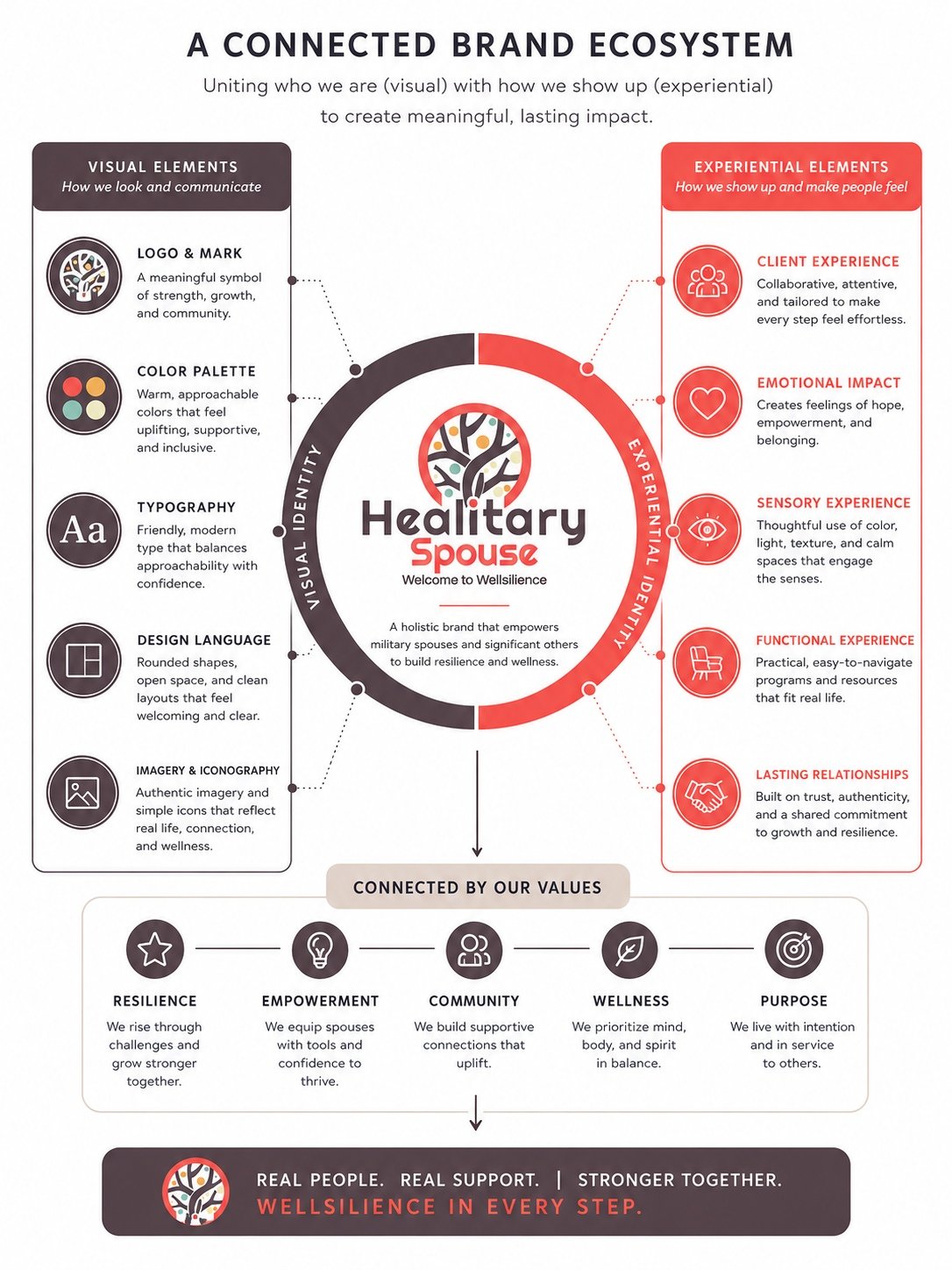
A logo is a visual identifier.
A brand is the complete experience people have with your organization.
Your brand includes:
Visual identity
Messaging
Tone of voice
Customer experience
Reputation
Perception
The logo serves as a shortcut to all of those experiences.
The stronger the brand behind it, the more valuable the logo becomes.
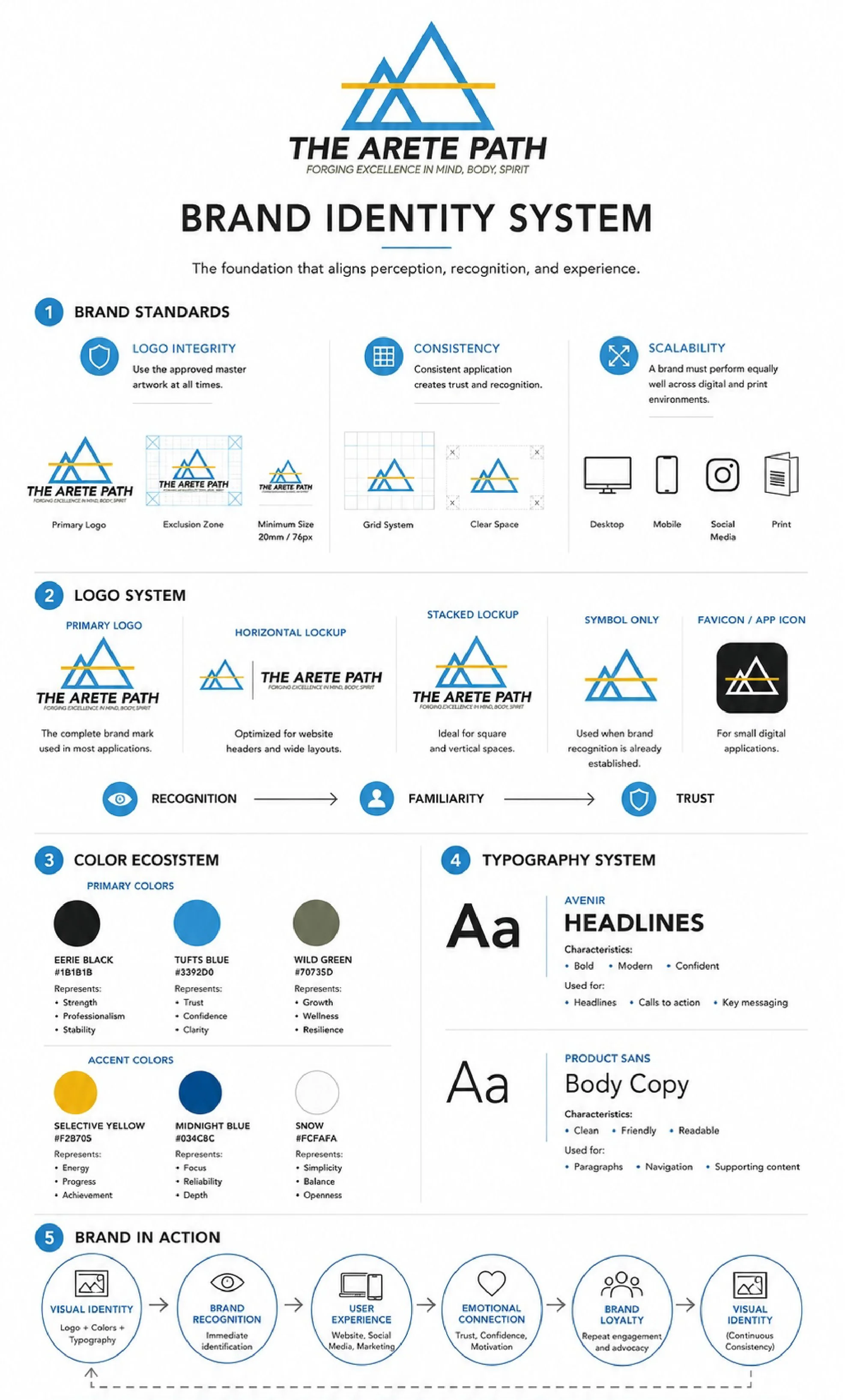
A visual identity system establishes the rules that create consistency across every customer touchpoint.
What Is a Visual Identity System?
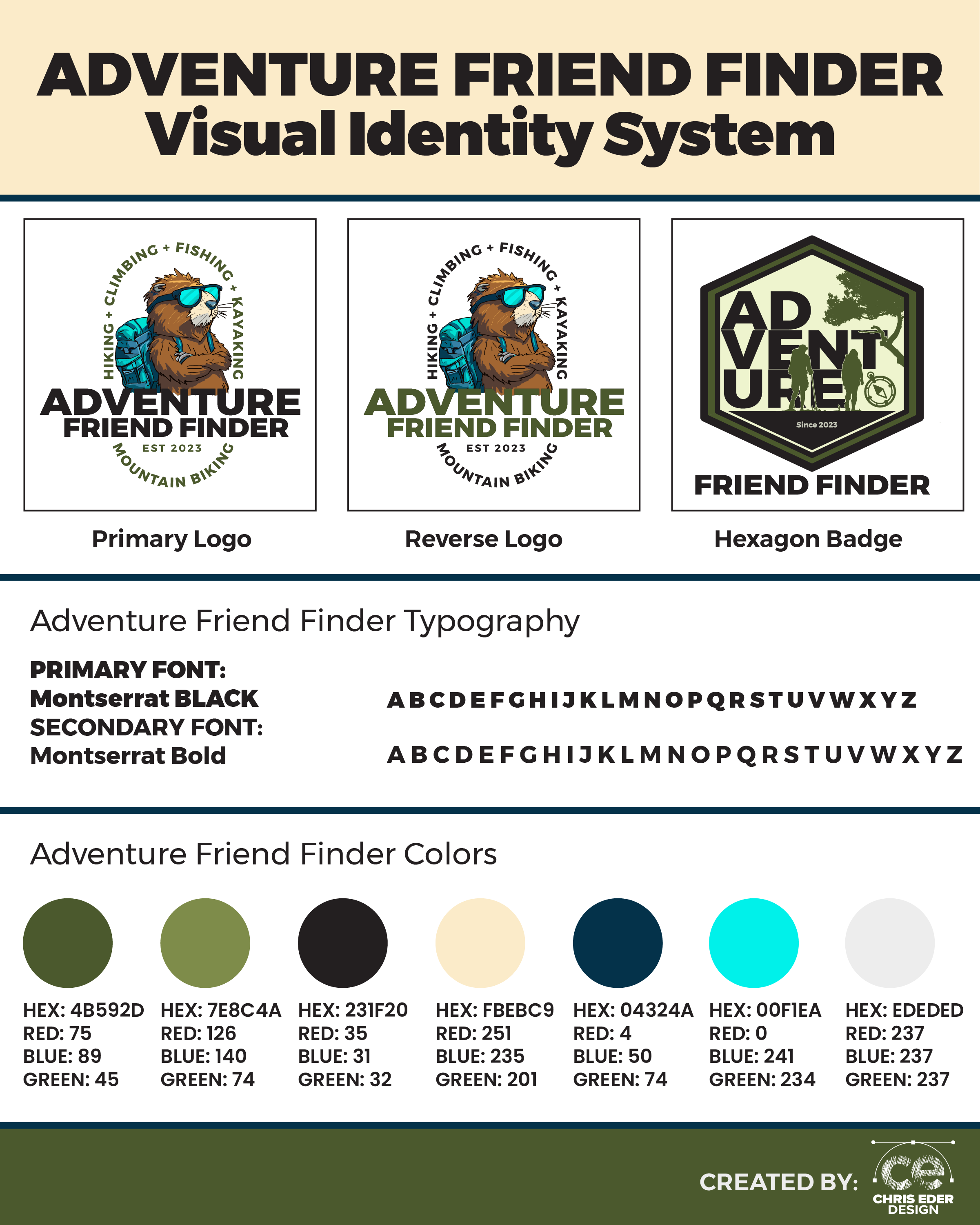
A strong visual identity system typically includes:
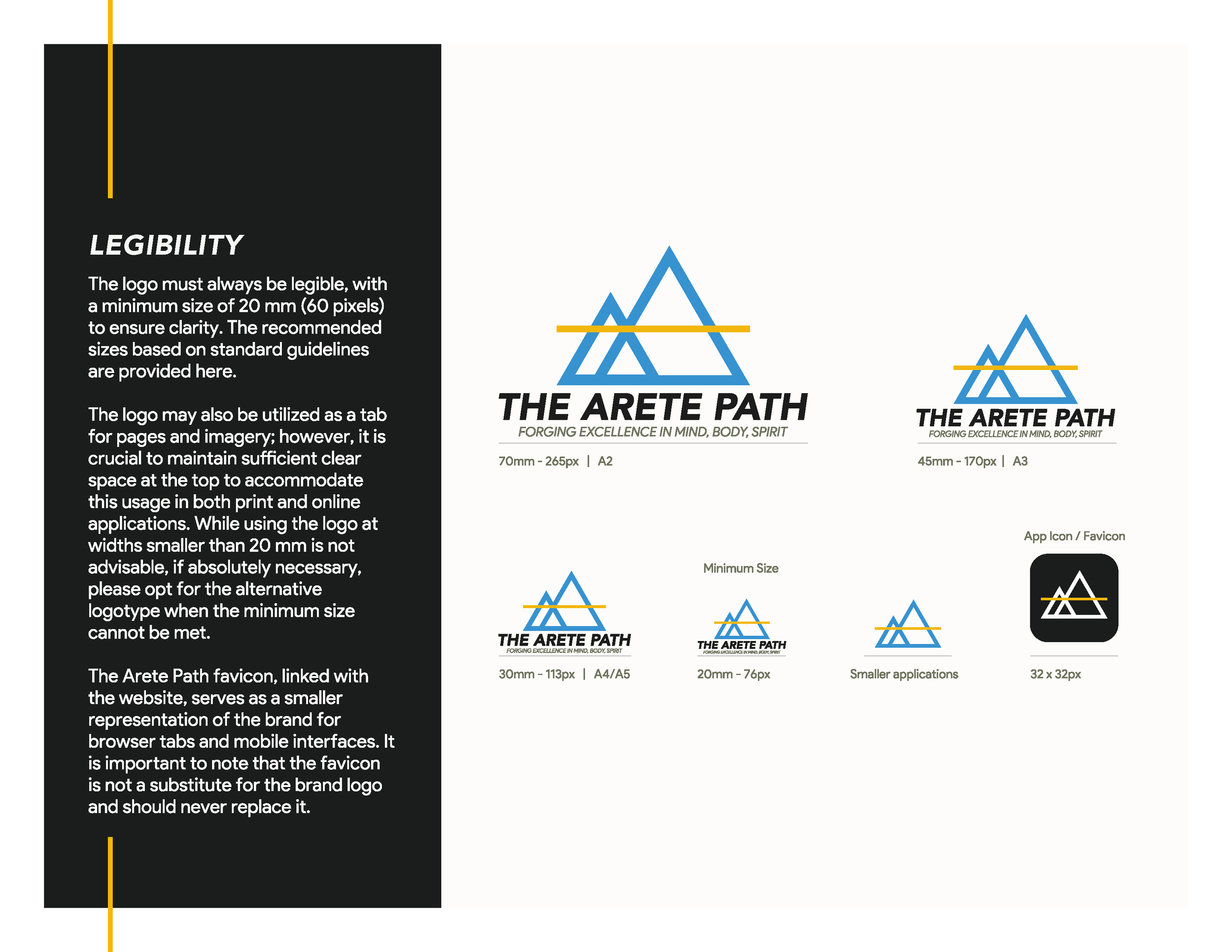
Primary logo
Secondary logo variations
Icon or mark
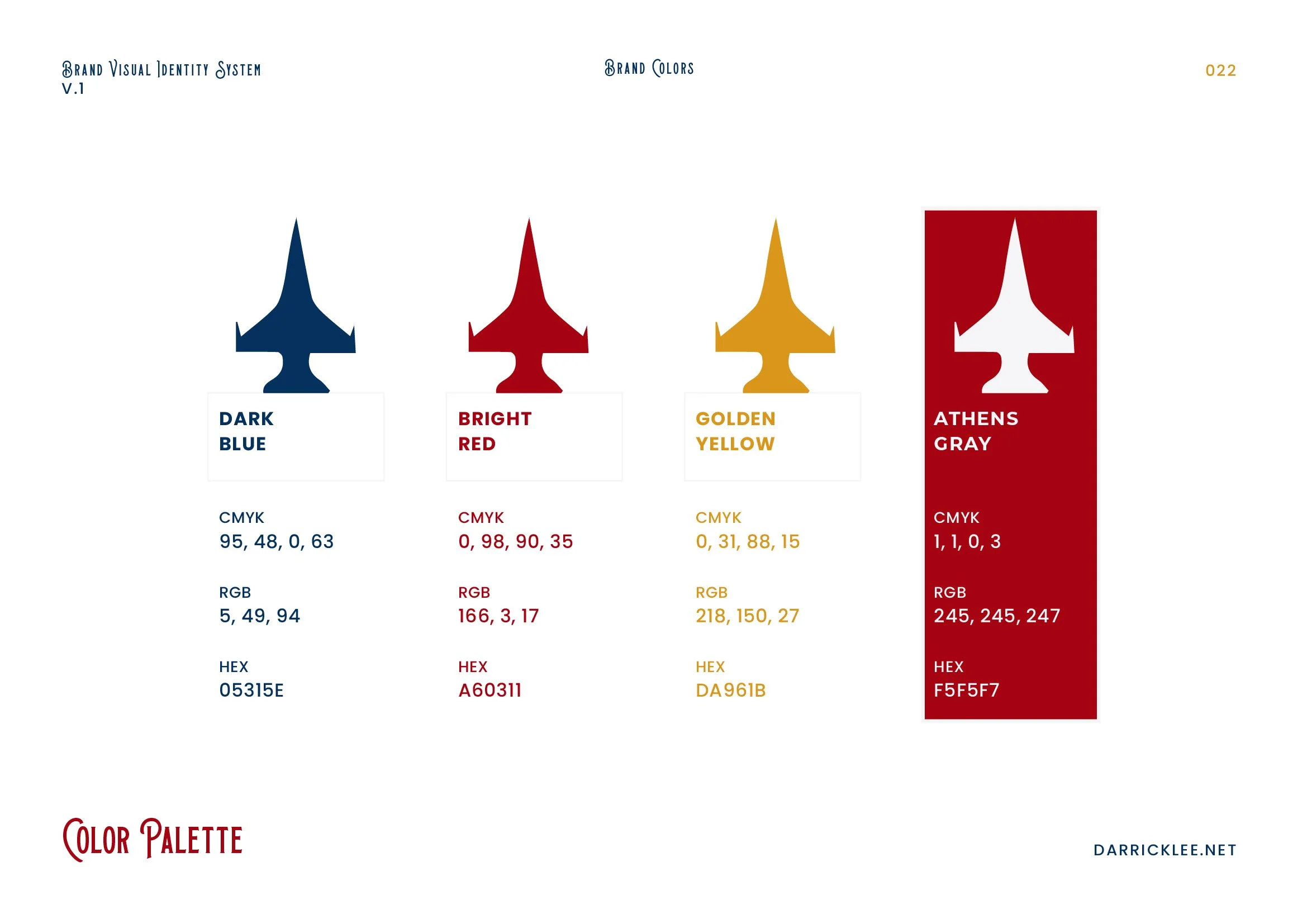
Color palette
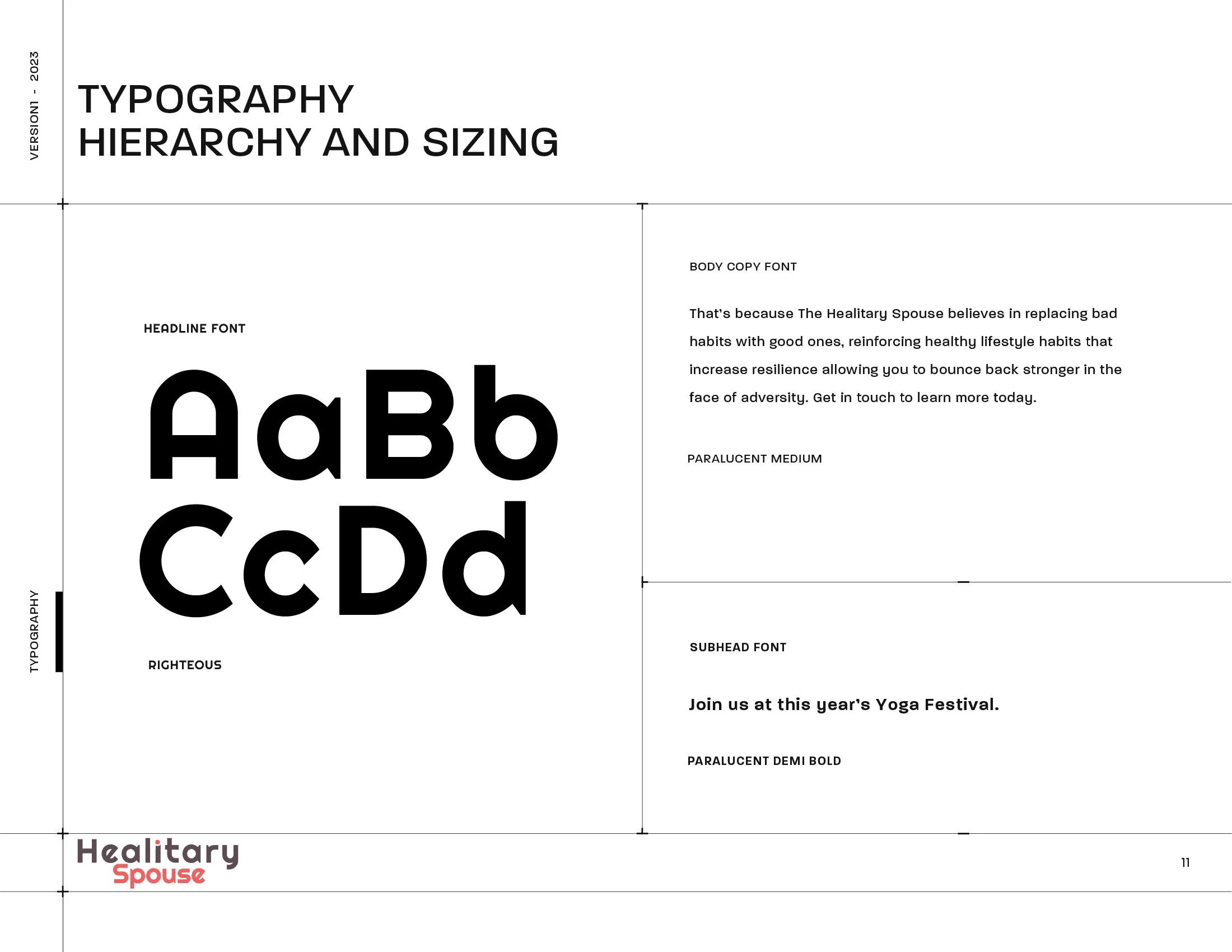
Typography system
Image style
Graphic elements
Brand guidelines
Together, these elements create recognition and trust.
Consistency Creates Recognition
The most recognizable brands in the world are not built on logos alone.
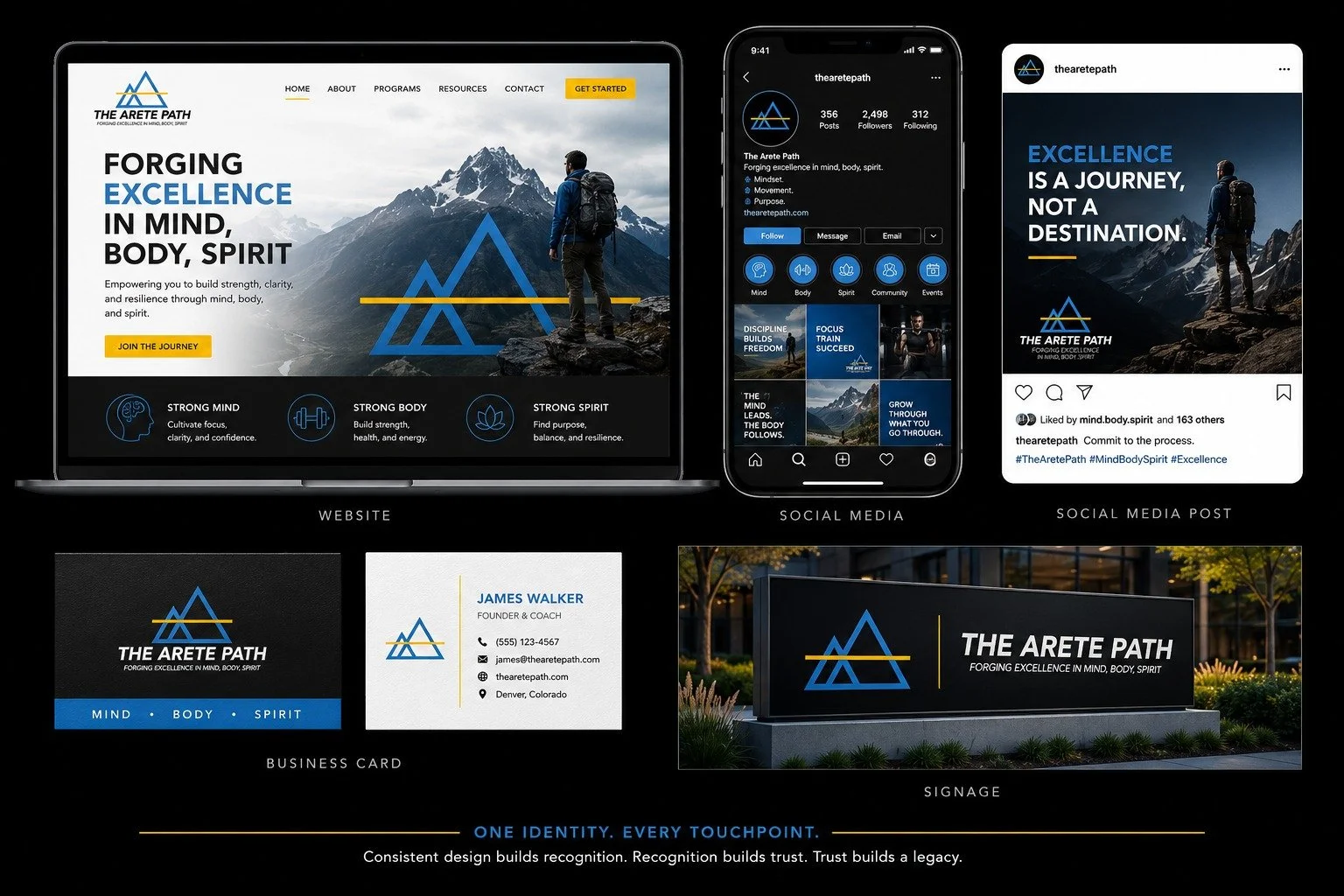
Designing for Growth
Many businesses create logos for today. Strong brands create systems for tomorrow.
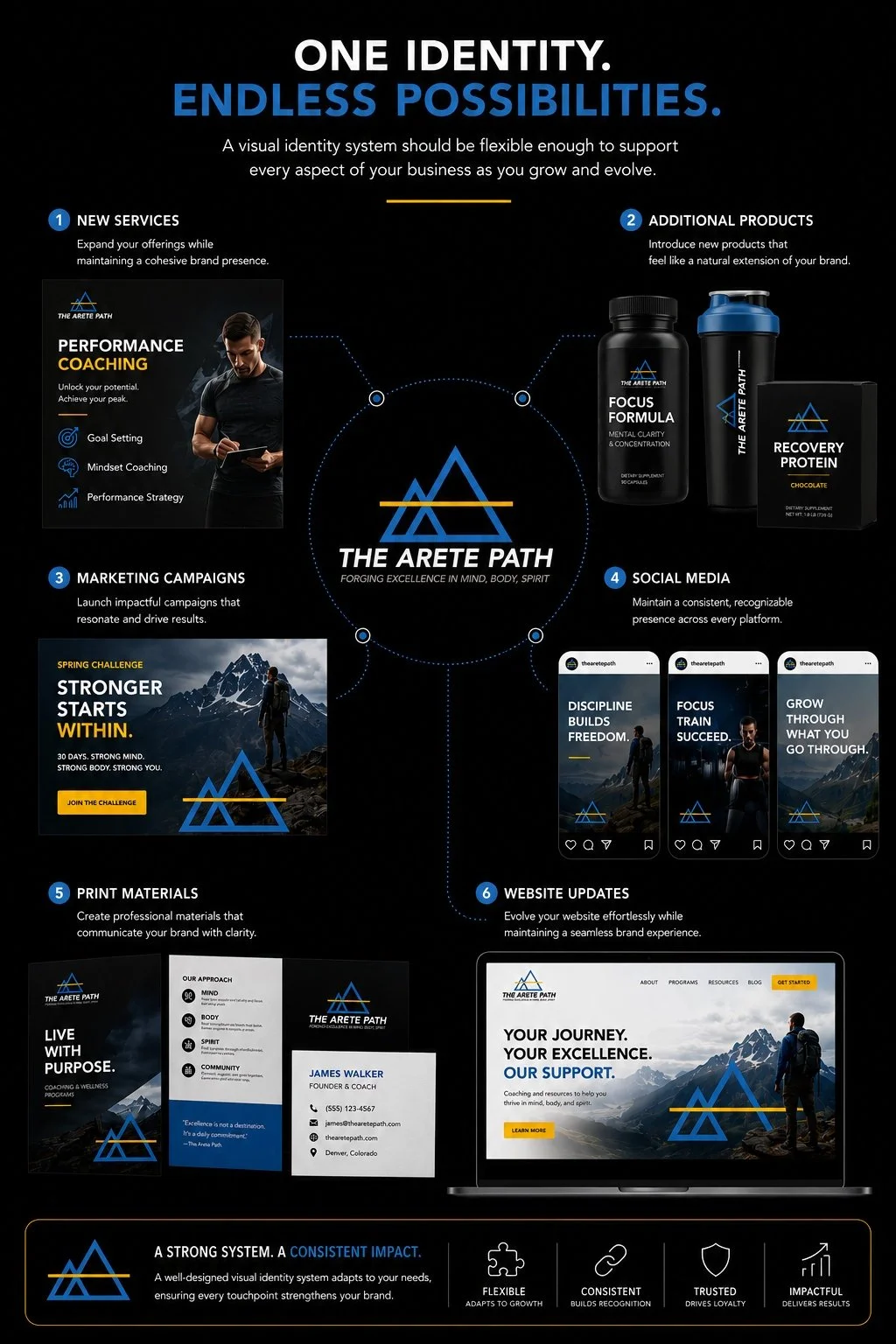
A visual identity system should be flexible enough to support:
New services
Additional products
Marketing campaigns
Social media
Print materials
Website updates
Without requiring a complete redesign every few years.
Scalable systems save time, money, and frustration.
Visual Identity in Real Client Projects
Every project at Chris Eder Design begins with a larger question than "What should the logo look like?"
The question is:
"What system does this business need to support its growth?"
Whether working with organizations like Mala for Vets, Victor Gardner Jr., RL Pools & Outdoors, or local service businesses, visual identity decisions are made strategically.
The goal isn't simply creating a memorable logo.
It's creating a system that works consistently across every platform where customers encounter the brand.
COMMON BANDING MISTAKES
Many businesses unintentionally weaken their brand by:
These issues reduce recognition and create confusion. Strong systems eliminate these problems.
Strategic Insights
Explore the principles, systems, and real-world examples that transform logos into scalable visual identity systems. COMING SOON
Strategic Logo Design: From Mark to Business Asset
A great logo does more than identify your business. It creates recognition, builds trust, and becomes a valuable asset that supports long-term growth.
Why Scalable Logos Increase Brand Equity
The best logos work everywhere. Learn how scalable logo systems strengthen consistency, improve recognition, and support your brand as it grows.
Logo Variations Explained: Primary, Secondary, and Icon Marks
Modern brands need more than one logo. Discover how logo variations create flexibility while maintaining consistency across every platform and application.
Build a Brand System, Not Just a Logo
The strongest brands aren't remembered because of a logo alone.
They're remembered because every visual touchpoint works together to create a consistent experience.
A logo may start the conversation.
A visual identity system ensures it continues.